This is the day – get out and vote.
Post election stories, results, discussions here.
Here’s a pretty good preview of today’s marijuana votes:
If Legal Cannabis Wins in the US Midterms, It’s No Thanks to the Democratic Party
Update (10:30 a.m. Central): Guam has voted to legalize medical marijuana. (56 of 58 precincts are now in, with Yes leading 56% – 44%.)
According to Tom Angell of Marijuana Majority:
“The marijuana majority is a truly global phenomenon. People all across the world are ready to move beyond failed prohibition laws, especially when seriously ill patients are criminalized just for following their doctors’ recommendations. With these election results, U.S. territories stretching from Guam — where America’s day begins near the International Date Line — to Hawaii and Alaska have sensible laws that let patients use marijuana without fear of arrest. And this is just the beginning of a very big day. It’s likely that we’ll see other important marijuana reforms enacted today as election results come in from races across the U.S.”
Update: (9 p.m. Central):
@KevinSabet:
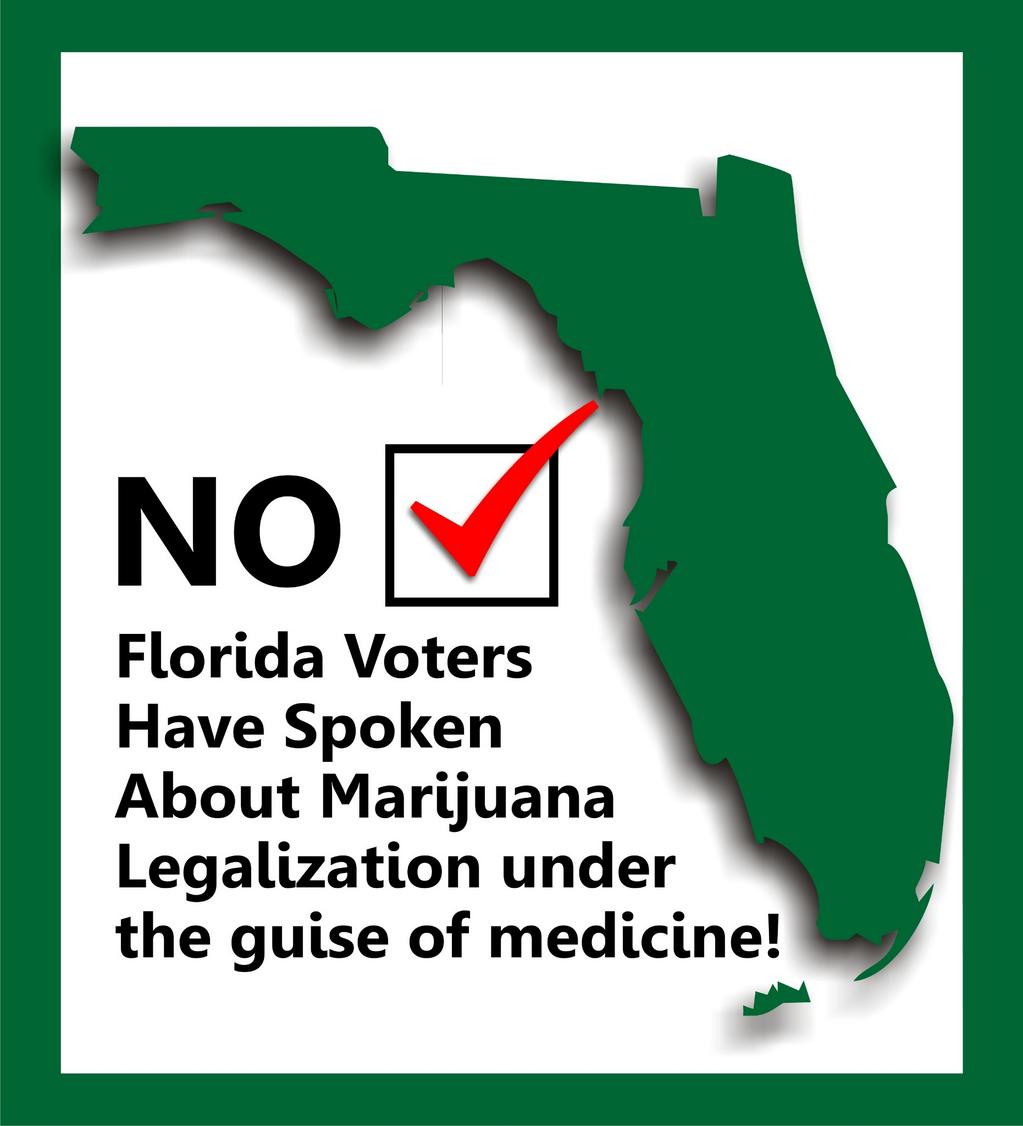
SAM IS CALLING FLORIDA. The No Campaign has won and Floridians rejected changing their Constitution. @learnaboutsam http://t.co/PaeNjCpJBM
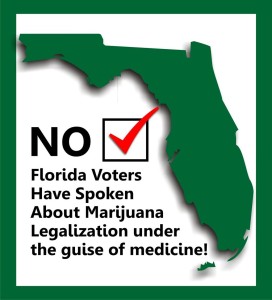
Nice graphic, Kev. And, of course, it’s correct, except for the fact that the majority actually voted YES. It’s just that they needed 60% to win.
Update (9:30 p.m. Central): Victory in Washington, DC
Via Drug Policy Alliance:
According to NPR and USA Today, voters in the District of Columbia have approved Initiative 71, a ballot initiative that legalizes possession of up to two ounces of marijuana for adults over the age of 21 and allows individuals to grow up to six marijuana plants in their home. D.C. laws prevented the ballot initiative from addressing the taxation and sale of marijuana, but the D.C. Council is currently considering a bill that would tax, regulate and strictly control the sale of marijuana to adults.
“This was the first legalization campaign in which the racial disproportionality of marijuana enforcement played a major role,†said Bill Piper, director of national affairs for the Drug Policy Alliance. “Initiative 71 sets the stage for the D.C. Council to create a new model for legalizing marijuana – one that places racial justice front and center.â€
Update (10:30 p.m. Central):
It looks like Oregon is a win, according to Fox 12 in Portland.
Tom Angell:
“With Oregon and D.C. coming on board, it’s clear that Colorado and Washington voting to legalize in 2012 was no anomaly. The trend is clear: Marijuana prohibition is coming to an end. As 2016 approaches, we can expect to see many more ambitious national politicians finally trying to win support from the cannabis constituency instead of ignoring and criminalizing us.”
Update (Wednesday morning):
Via Law Enforcement Against Prohibition:
ANCHORAGE–Alaska’s Measure 2, an initiative to allow adults 21 and over to possess up to one ounce of marijuana and up to six plants, passed tonight in a close race. This measure will establish, license and regulate retail stores, cultivation facilities, product manufacturers and testing facilities so consumers will always know that what they’re getting is safe, will allow police to focus on violent crime and will ensure that profits benefit the government, not drug cartels. Driving under the influence and public consumption will remain illegal and employers may restrict their employees’ use and localities can ban marijuana establishments though not private possession or cultivation.
“This is a historic day for public safety and for civil rights,†said Seattle Police Chief Norm Stamper (Ret.). “Clearly, the people demand change, and their leaders would be wise to follow.â€
More updates (via Drug Policy Alliance):
Today, California voters took a significant step toward ending mass incarceration and the war on drugs by approving Proposition 47. On the heels of reforming the state’s “three strikes†law in the 2012 election, Californians overwhelmingly voted to change six low-level, nonviolent offenses – including simple drug possession – from felonies to misdemeanors.
New Jersey voters have approved Public Question No. 1 to reform New Jersey’s bail system. This will reduce the number of people behind bars for low-level drug law violations and ushers in broader bail reform because it is linked to comprehensive legislation, already signed by the governor, that overhauls the state’s broken bail system.
Overall, a very good day for drug policy reform.




THC reduces or eliminates nightmares and the fear of going to sleep for those who suffer from PTSD: 5-Aug-2026 --…